The integration of Artificial Intelligence (AI) is set to reshape business operations significantly, with OpenAI leading the way in delivering innovative solutions. Companies using these AI tools report noticeable productivity increases, saving employees approximately 40 to 60 minutes each day. Moreover, enhanced decision-making capabilities allow organizations to analyze large data sets for more informed strategic choices. Automation of routine tasks like invoice processing means staff can concentrate on higher-value work, improving overall efficiency. Additionally, AI-driven customer service tools provide timely assistance and personalized experiences that boost satisfaction levels. As businesses navigate this new landscape, they must address potential challenges such as implementation costs and ethical concerns surrounding data use.
Table of Contents
- The Role of OpenAI in Business Transformation
- Benefits of OpenAI Solutions for Companies
- How OpenAI Automates Everyday Tasks
- Improving Customer Experiences with AI Tools
- Using Data for Better Business Insights
- Enhancing Supply Chain Efficiency with AI
- Managing Risks with OpenAI Technology
- Challenges in Implementing OpenAI Solutions
- Looking Ahead: The Future of OpenAI in Business
- Frequently Asked Questions
The Role of OpenAI in Business Transformation
 Credits: adamfard.com
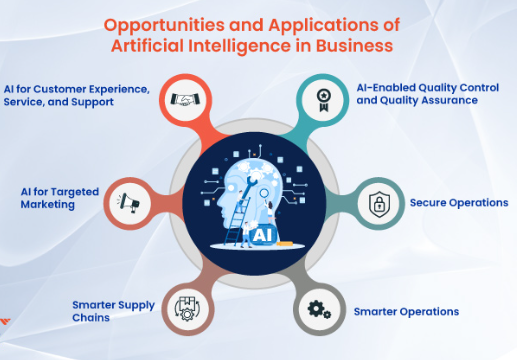
OpenAI acts as a key driver of digital transformation across various industries. Companies are increasingly turning to AI to boost operational efficiency and lower costs. With OpenAI’s frameworks, businesses can integrate AI smoothly into their existing processes, enhancing agility when responding to market fluctuations. This technology promotes innovation by offering tools that inspire new business models, allowing for scalable solutions that align with a company’s growth. By utilizing OpenAI, organizations gain access to advanced analytics capabilities, which help in making informed decisions. Moreover, OpenAI facilitates collaboration by breaking down data silos, enabling teams to work together more effectively. As companies face a rapidly changing marketplace, those that leverage OpenAI can maintain a competitive edge and foster a culture of continuous learning and adaptation.
Benefits of OpenAI Solutions for Companies
 Credits: infografolio.com
OpenAI solutions offer numerous advantages for companies looking to improve their operations. One significant benefit is cost savings; businesses can reduce operational expenses by automating routine tasks and streamlining processes. This leads to more efficient use of resources, allowing companies to reallocate funds to more strategic initiatives. Additionally, OpenAI tools provide AI-driven insights that help businesses identify new revenue streams and market opportunities, enabling them to stay ahead in a competitive landscape.
Moreover, the implementation of OpenAI solutions enhances the overall employee experience. By automating mundane tasks, employees can focus on more meaningful work, which can boost morale and productivity. Companies can also achieve a faster time-to-market for new products and services, as AI assists in expediting various phases of development and deployment.
Furthermore, OpenAI solutions support better customer segmentation and targeting strategies. With advanced data analytics, businesses can tailor their marketing efforts to specific customer needs, improving engagement and conversion rates. The technology also allows for more accurate forecasting and planning, helping organizations to make informed decisions based on real-time data.
Collaboration among teams is enhanced through OpenAI’s streamlined communication tools, fostering a more cohesive work environment. Additionally, these solutions contribute to better compliance and regulatory adherence by automating monitoring and reporting processes. Overall, leveraging OpenAI solutions fosters innovation, enabling companies to experiment and prototype rapidly, which is essential for growth in today’s fast-paced market.
| Benefit | Description |
|---|---|
| Cost Savings | OpenAI solutions can lead to significant cost savings in operations. |
| New Revenue Streams | AI-driven insights help businesses identify new revenue streams and market opportunities. |
| Enhanced Employee Experience | Using OpenAI can enhance the overall employee experience by reducing mundane tasks. |
| Faster Time-to-Market | Companies can achieve faster time-to-market for new products and services. |
| Better Customer Segmentation | OpenAI tools support better customer segmentation and targeting strategies. |
| Accurate Forecasting | The technology allows for more accurate forecasting and planning. |
| Enhanced Collaboration | AI enhances collaboration among teams through streamlined communication tools. |
| Regulatory Adherence | OpenAI solutions contribute to better compliance and regulatory adherence. |
| Informed Decision-Making | With AI, organizations can leverage real-time data for informed decision-making. |
| Innovation and Experimentation | OpenAI fosters innovation by enabling experimentation and rapid prototyping. |
How OpenAI Automates Everyday Tasks
 Credits: equitysofttechnologies.com
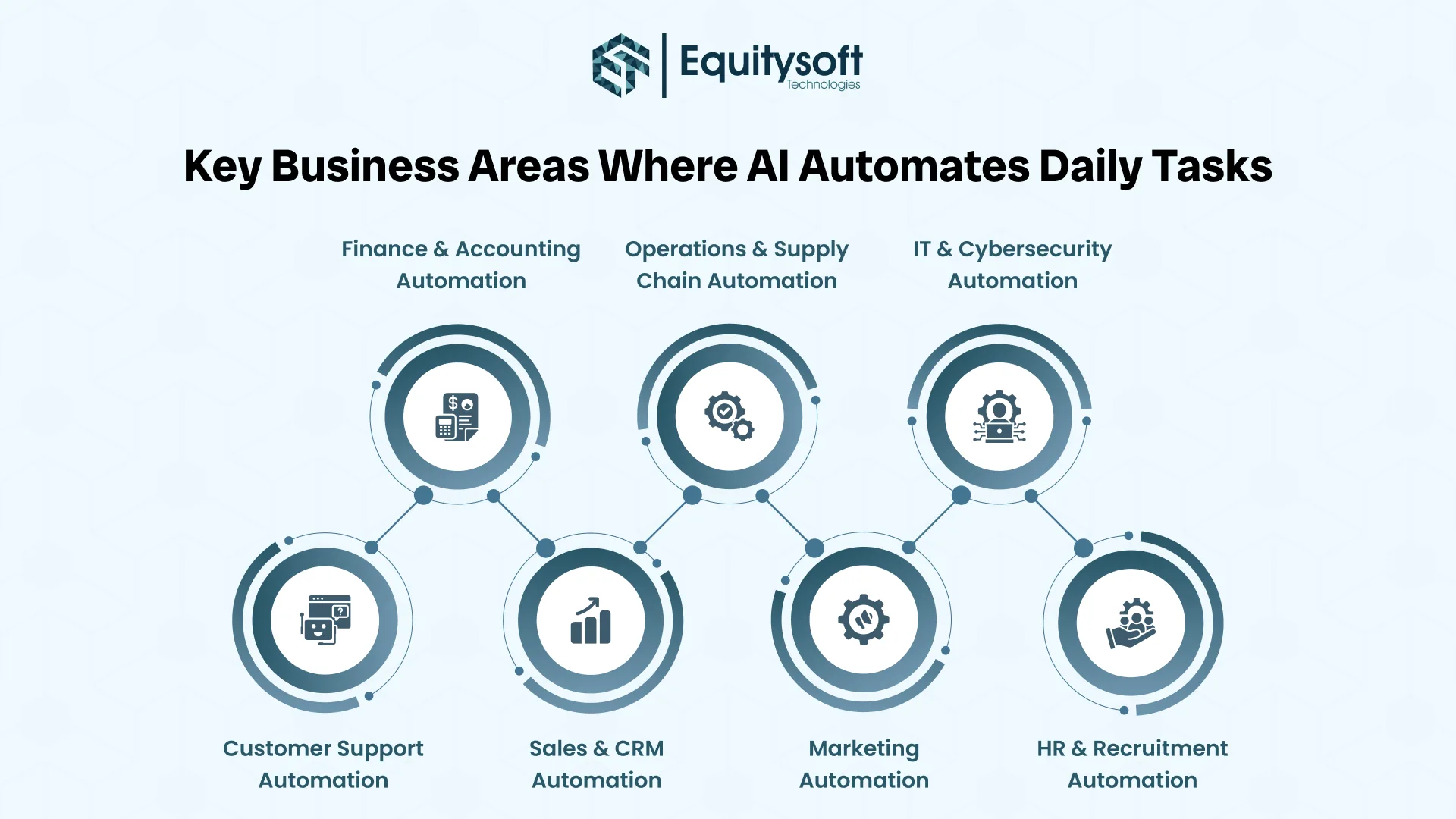
OpenAI is transforming how businesses handle everyday tasks, making operations smoother and more efficient. For instance, scheduling meetings and managing calendars can be done automatically, freeing up valuable time for employees. AI tools can generate reports and summaries from large data sets, which simplifies the process of data analysis. In customer service, OpenAI’s chatbots can respond to inquiries quickly, significantly reducing response times and improving customer satisfaction.
Social media management is another area where automation shines. OpenAI can help schedule posts and analyze engagement, allowing businesses to maintain a consistent online presence without the constant manual effort. In human resources, tasks like onboarding and payroll management can be streamlined with AI, reducing administrative burdens.
Project management also benefits from OpenAI, as it can track progress and manage workflows more efficiently, ensuring that teams stay on track. Email management is simplified too, with AI tools capable of sending automated responses and follow-ups. Additionally, OpenAI can assist in inventory management by predicting stock needs, ensuring that businesses maintain optimal levels without overstocking.
Finally, AI can analyze customer feedback to provide actionable insights, helping companies understand their audience better. By automating these routine tasks, employees can focus their efforts on strategic work, ultimately leading to smarter operations.
- OpenAI can automate tasks such as scheduling meetings and managing calendars.
- AI tools can assist in generating reports and summaries from large data sets.
- OpenAI’s chatbots can handle customer inquiries, reducing response times.
- Automation can extend to social media management and content scheduling.
- AI can streamline HR processes such as onboarding and payroll management.
- OpenAI assists in tracking project progress and managing workflows efficiently.
- The technology can be used for automated email responses and follow-ups.
- AI can help with inventory management by predicting stock needs.
- OpenAI tools can analyze customer feedback for actionable insights.
- Automating routine tasks frees up time for employees to engage in strategic work.
Improving Customer Experiences with AI Tools

AI tools are reshaping how businesses interact with their customers, making experiences more personal and efficient. By analyzing customer behavior and preferences, these tools offer tailored recommendations that resonate with individual needs. For instance, an online retailer can suggest products based on previous purchases, enhancing the shopping experience. Additionally, OpenAI can process customer interactions, allowing businesses to refine their service delivery. This leads to quicker resolutions and improved satisfaction.
Virtual assistants powered by AI provide immediate support, responding to inquiries 24/7, which is crucial in today’s fast-paced environment. Customers appreciate swift responses, and AI can help identify pain points in the customer journey, enabling companies to make necessary adjustments. Furthermore, OpenAI promotes proactive engagement by facilitating timely communication, such as sending reminders or updates, enhancing customer relationships.
Establishing feedback loops through AI tools allows businesses to continuously improve their service offerings. By performing sentiment analysis, companies can gauge customer feelings about products and services, informing future development. For marketing, AI crafts tailored campaigns that resonate with specific audiences, increasing effectiveness. Loyalty programs can also benefit from AI, offering personalized rewards that keep customers coming back. Overall, leveraging AI insights can lead to higher customer satisfaction rates, making it a vital component for businesses aiming to enhance customer experiences.
Using Data for Better Business Insights
 Credits: elearninginfographics.com
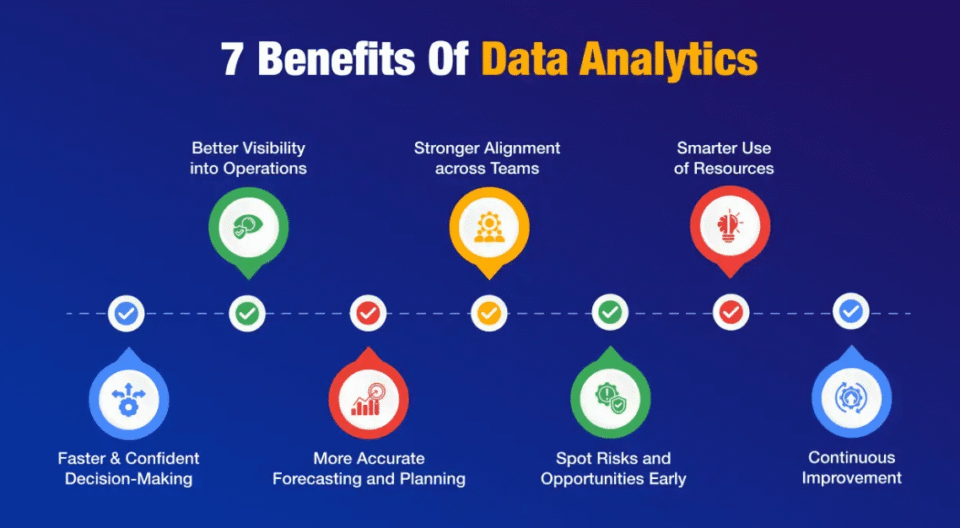
OpenAI can process and analyze large sets of data quickly and accurately, making it an invaluable tool for businesses looking to gain insights from their data. With predictive analytics, companies can anticipate market trends and demands, allowing them to stay ahead of the competition. AI excels at identifying correlations within data that might not be visible to humans, revealing patterns that can inform strategic decisions. Businesses can create dashboards that provide real-time insights into performance metrics, enabling faster and more informed decision-making. By utilizing OpenAI’s analytical tools, companies can embrace data-driven decision-making, enhancing their ability to respond to changes in the market. Additionally, OpenAI can assist in segmenting customers for targeted marketing strategies, helping businesses tailor their messages to specific groups. This technology can also uncover hidden opportunities for growth within existing customer bases, enhancing overall profitability. In financial reporting, AI can automate data collection and analysis, leading to more accurate and timely reports. Furthermore, OpenAI’s tools can assist businesses in benchmarking against industry standards, allowing for better performance assessments. With data visualization capabilities, complex data becomes more understandable, enabling teams to draw actionable insights effectively.
Enhancing Supply Chain Efficiency with AI
 Credits: geeksforgeeks.org
OpenAI’s capabilities can significantly enhance supply chain efficiency. By accurately forecasting demand, businesses can reduce excess inventory, leading to cost savings and improved cash flow. Logistics can also benefit from AI, which optimizes routing to save time and cut expenses. Real-time tracking of shipments becomes achievable through AI integrations, enhancing visibility and accountability. Furthermore, AI can predict potential supply chain disruptions, allowing companies to devise contingency plans proactively. Automation in procurement processes through OpenAI enhances efficiency, while data analysis tools improve supplier performance assessments. AI’s predictive analytics assist in making informed inventory replenishment decisions. The transparency that AI brings to the supply chain builds trust among stakeholders. By analyzing historical data, AI identifies trends in supply chain performance, enabling better negotiation strategies with suppliers.
Managing Risks with OpenAI Technology
 Credits: zendata.dev
OpenAI technology plays a significant role in managing risks across various business operations. For instance, by analyzing transaction data, OpenAI can identify potential fraud patterns, allowing businesses to act quickly to mitigate losses. Additionally, AI tools continuously monitor for cybersecurity threats, enhancing the overall security posture of an organization. With automation, risk assessment processes can be streamlined, leading to faster responses to emerging threats. Furthermore, OpenAI assists in compliance monitoring, which helps reduce legal risks and ensures organizations adhere to regulatory standards. By analyzing market conditions, AI can also predict financial risks, enabling proactive planning. In crisis management, OpenAI can enhance strategies through simulations, allowing businesses to practice responses to potential crises. The technology also evaluates the impact of regulatory changes, helping organizations adapt to new requirements effectively. Business continuity plans are strengthened by AI-driven scenario analysis, which prepares companies for various disruptions. Moreover, OpenAI improves the accuracy of risk models by incorporating diverse data sources, leading to more reliable assessments. Finally, OpenAI facilitates better communication of risks across organizations, ensuring that all stakeholders are informed and prepared.
Challenges in Implementing OpenAI Solutions
 Credits: excellentwebworld.com
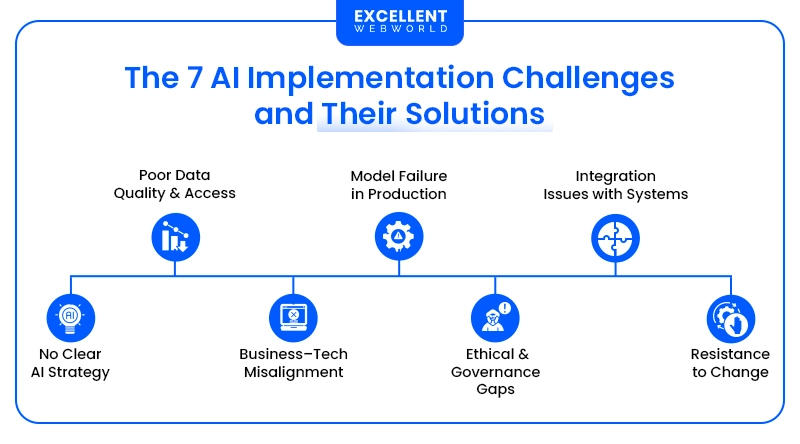
Integrating OpenAI solutions into existing business frameworks can be challenging, especially when dealing with legacy systems. Many companies find that their outdated technology does not easily mesh with new AI tools, which can lead to disruptions and increased costs. Additionally, training staff to utilize these tools effectively takes both time and resources, which can strain budgets and schedules. Data privacy is another critical area of concern, as organizations must ensure that they comply with regulations while implementing AI solutions.
Resistance to change is common, particularly among employees who may be unfamiliar with AI technologies. This hesitation can hinder the adoption process, making it essential for companies to foster a culture of openness and learning. The initial investment needed for AI solutions can also be significant, which might deter some businesses from pursuing these opportunities. Moreover, ensuring the quality of data fed into AI systems is vital, as poor data can lead to inaccurate outcomes.
Companies must navigate ethical considerations related to AI use, such as algorithmic bias and the potential for misuse of data. Continuous maintenance and updates of AI systems are necessary to ensure they perform optimally over time. Finally, finding qualified talent to manage and operate these advanced technologies can be difficult, adding another layer of complexity to implementation. To mitigate these risks, businesses need to develop clear strategies for AI adoption, helping them to address these challenges head-on.
Looking Ahead: The Future of OpenAI in Business
 Credits: thestrategyinstitute.org
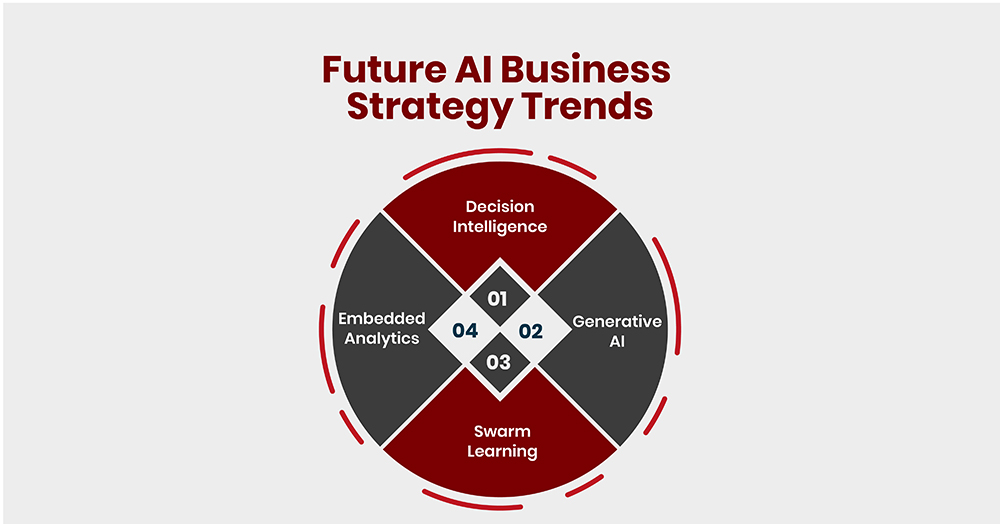
In the coming years, OpenAI is expected to become a cornerstone for businesses aiming to enhance their operations. As AI technology advances, it will increasingly drive strategic initiatives, making it essential for organizations to adapt. Future OpenAI solutions are likely to be more user-friendly, allowing a wider range of employees to leverage AI tools without needing extensive technical expertise. This accessibility will encourage collaboration and teamwork, fostering a culture where AI is seen as an ally in achieving business goals.
Real-time data analysis will become standard practice, enabling businesses to make informed decisions quickly. OpenAI’s evolving capabilities will likely introduce innovative tools that integrate seamlessly with other technologies, such as the Internet of Things (IoT). This integration will enhance operational efficiencies and provide insights that help organizations respond swiftly to changing consumer preferences.
Moreover, the future may bring a stronger focus on ethical AI practices. Companies will prioritize transparency and fairness in their AI applications, building trust with customers and stakeholders. Sustainability efforts will also be enhanced through AI, as businesses use intelligent solutions to optimize resource use and minimize waste. Overall, OpenAI’s role in business is expected to expand beyond traditional functions, driving efficiency and innovation across various sectors.
Frequently Asked Questions
What are OpenAI business solutions?
OpenAI business solutions are tools and technologies developed by OpenAI that help companies operate more effectively by using artificial intelligence.
How can businesses apply OpenAI tools in their daily operations?
Businesses can use OpenAI tools for tasks like automating customer support, improving data analysis, and enhancing decision-making processes.
What types of industries benefit from OpenAI business solutions?
Many industries like healthcare, finance, retail, and technology can benefit from OpenAI business solutions to boost efficiency and innovation.
Is it easy to integrate OpenAI solutions into existing business systems?
Yes, OpenAI solutions are often designed to be user-friendly and can be integrated into existing systems without significant issues.
What are the expected outcomes of using OpenAI tools?
Using OpenAI tools can lead to increased productivity, better customer experiences, and improved data-driven decisions for businesses.
TL;DR In 2025, OpenAI is set to transform business operations through its innovative solutions. Key benefits include increased productivity, enhanced decision-making, and improved customer experiences. OpenAI automates routine tasks, utilizes data for insights, and streamlines supply chains while aiding risk management. However, challenges like implementation costs and ethical concerns persist. Looking ahead, companies leveraging OpenAI will likely gain a competitive edge as the focus shifts towards enhancing strategic growth.
Comments are closed