
Claude AI, developed by Anthropic, is focused on protecting user data and maintaining privacy. Users have a choice to opt-in for their conversations to be used for training the models, with the ability to opt-out anytime. The platform collects personal information like names and emails, as well as conversation data and technical details. Although Claude does not sell data to third parties, users are concerned about how long their information is retained, up to five years for opted-in users. While encryption is used for security and access is strictly controlled, recent policy changes have led some users to question clarity in consent practices.
Table of Contents
- Overview of Claude AI Data Protection
- Data Collection Practices
- Privacy Policy Highlights
- User Control and Consent
- Security Measures
- Community Concerns and Discussions
- Comparative Analysis
- Recommendations for Users
- Final Thoughts on Claude AI Privacy
- Frequently Asked Questions
Overview of Claude AI Data Protection
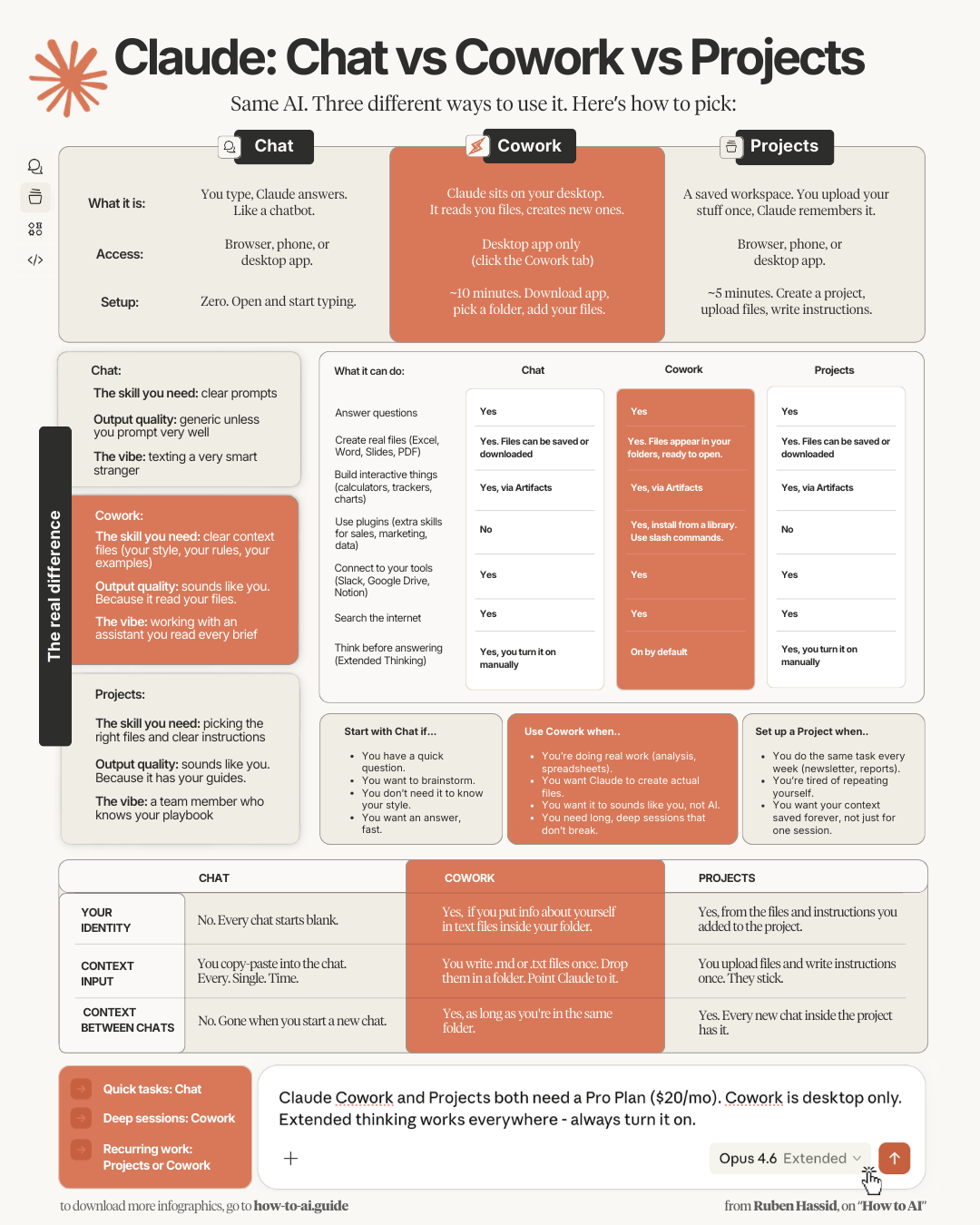 Credits: ruben.substack.com
Claude AI, developed by Anthropic, emphasizes user privacy and data protection as core principles. The platform outlines clear guidelines on how user data is utilized right from the onboarding process, ensuring that users are aware of their choices. Importantly, users have the option to opt-in or opt-out of data sharing for model training at any time, allowing them to have control over their data. Transparency is a key feature of Claude AI, with regular updates provided to users about any policy changes. To further ensure trust, the data protection measures are regularly reviewed by third-party auditors, and a dedicated team focuses on privacy issues. User feedback is essential in shaping privacy policies, reflecting Claude AI’s commitment to user-centric privacy.
Data Collection Practices
Claude AI has clear data collection practices focused on transparency and user consent. It collects personal data like names, email addresses, and payment information, but only with user permission. Conversation data is gathered to enhance AI responses, yet users have the ability to delete this data easily, ensuring they have control over their information. Additionally, technical data such as device information and IP addresses is collected to improve service quality and performance. Data is organized into specific categories to better manage it and keep users informed about what is being collected. Notably, location data is not collected unless it is essential for the functionality of the service. Claude AI adheres to relevant laws and regulations, maintaining that data collection is kept to a minimum and only necessary for the platform’s operation. Non-personal data is aggregated to enhance user experience, further supporting the commitment to user privacy. Users can also request access to their data collection history, promoting transparency and informed usage.
| Type of Data | Description | Retention Policy |
|---|---|---|
| Personal Information | Name, email address, phone number, and payment information for subscriptions | Opted-out: 30 days; Opted-in: Up to 5 years |
| Conversation Data | All text, files, or prompts submitted by users, including feedback provided | Deleted conversations are not retained |
| Technical Data | Device information, IP address, and connection details | N/A |
| Usage Data | Access frequency, features used, and browsing history | N/A |
Privacy Policy Highlights
 Credits: termly.io
Claude AI prioritizes user privacy with a clear commitment to not selling user data to advertisers or third parties. Users have the ability to manage their data retention preferences right within the app, providing a straightforward way to control their information. For added peace of mind, conversations can be deleted permanently, ensuring users have full control over their data. An incognito mode is available, allowing users to engage with the service without any data retention. Updates to the privacy policy are communicated to users via email and app notifications, promoting transparency. Users are encouraged to read the privacy policy thoroughly to understand their rights and options. Retention periods for data are clearly defined based on user consent, and when possible, user data is anonymized for analytical purposes. The privacy policy is regularly reviewed and updated to reflect current practices, ensuring it stays relevant. If users have privacy concerns, they can easily report them directly to the support team.
- User data is not sold to advertisers or third parties.
- Users can manage their data retention preferences directly within the app.
- Conversations can be deleted permanently, ensuring user control over data.
- Incognito mode offers a way to use the service without data retention.
- Policy updates are communicated to users via email and app notifications.
- Users are encouraged to read the privacy policy for full understanding.
- Data retention periods are clearly defined based on user consent.
- User data is anonymized for analytical purposes when possible.
- The privacy policy is reviewed and updated regularly to reflect current practices.
- Users can report privacy concerns directly to the support team.
User Control and Consent
Users have significant control over their data sharing settings within Claude AI. They can adjust these settings at any time, ensuring that their preferences are respected. Before any data is utilized for training purposes, explicit consent is required, reinforcing the platform’s commitment to user privacy. During their interaction with Claude, users are presented with clear options to opt in or out of data sharing, making the process straightforward and user-friendly. Furthermore, user preferences are securely saved and can be modified whenever needed. Regular reminders encourage users to review their consent settings, helping them stay informed about their data choices. Notifications inform users when their preferences have been updated, which promotes transparency. This emphasis on informed consent is crucial for maintaining trust between the platform and its users. Additionally, for those with questions about consent, support is readily available to assist. The platform actively seeks feedback on its consent methods, demonstrating a willingness to improve user experience.
Security Measures
 Credits: leewayhertz.com
Claude AI takes security seriously, implementing industry-standard encryption to protect user data both in transit and at rest. Access to user conversations is restricted to authorized personnel only, ensuring that only those who absolutely need to see the information can do so, typically under conditions such as user consent or safety reviews. Regular security audits are carried out to identify and address any vulnerabilities, reinforcing the overall security posture. User data is stored in secure environments with limited access, further minimizing potential risks. To enhance account security, Claude AI offers two-factor authentication, providing an additional layer of protection against unauthorized access. In case of a data breach, incident response plans are in place to swiftly manage and mitigate the impact. Employees receive training on data protection protocols to ensure they understand their responsibilities in safeguarding user information. User sessions are monitored for any unusual activity, helping to detect and respond to threats quickly. Moreover, data backups are regularly performed to prevent loss and maintain data integrity. Users are also kept informed of significant security updates or changes, promoting transparency and trust.
Community Concerns and Discussions
Users have voiced various concerns regarding Claude AI’s approach to data privacy. Many worry about the potential misuse of their data, particularly in light of the recent changes to the default opt-in setting for data training. The community has highlighted a pressing need for clearer communication from Claude regarding any policy changes, as confusion can lead to mistrust. Additionally, users are seeking reassurance about who has access to their data, with some expressing discomfort over the possibility of employees reviewing their conversations.
Discussions often center around the best practices for maintaining privacy while using AI tools. Many users emphasize the importance of transparency, suggesting that Claude could benefit from more straightforward privacy policies. Experiences shared by users reveal varying opinions on data retention policies, particularly the implications of storing data for extended periods. Concerns about the long-term storage of data are common, as users ponder the potential risks associated with keeping their information accessible for years.
These community-driven discussions foster a sense of shared understanding, as users navigate the complexities of AI privacy together. The call for more robust privacy features and options is a recurring theme, reflecting a collective desire for enhanced control over personal data.
Comparative Analysis
Claude AI stands out in the landscape of AI technologies for its transparent consent model, which requires user permission before utilizing conversation data for training. This approach contrasts sharply with some competitors that often engage in more aggressive data collection practices without obtaining explicit consent. For instance, while Claude allows users to opt-out of data usage for training, other platforms might default to using data unless users actively decline.
When examining data retention policies, differences become evident. Claude retains data for up to five years for opted-in users, aiming to enhance model performance, while opted-out users see their data retained for only 30 days. This long retention period raises valid concerns about data exposure over time. In comparison, certain competitors may have shorter retention periods but also lack the same level of user control.
Privacy policies across these platforms vary significantly in clarity and user-friendliness. Claude’s policies are generally praised for their straightforwardness, helping users to better understand their rights and choices. On the other hand, some competitors prioritize performance metrics over user privacy, which can lead to increased anxiety about data handling. Users often appreciate Claude’s proactive stance on data protection, finding comfort in knowing their choices are respected.
The ongoing dialogue about industry standards for privacy practices highlights the diverse approaches to data protection among AI technologies. Such comparative analyses not only illuminate these differences but also empower users to make informed decisions regarding the AI tools they choose to engage with.
Recommendations for Users
To make the most out of your experience with Claude AI, it is essential to regularly review your privacy settings. Keeping these updated helps ensure that you are aware of how your data is being handled. It’s also wise to avoid sharing personal or sensitive information during conversations. If you need to discuss confidential matters, using incognito mode can help keep those discussions private. For businesses or organizations that prioritize data privacy, considering enterprise options offered by Claude can provide enhanced privacy standards and compliance features. Engaging with community forums can be beneficial as well; they often share insights and best practices regarding privacy management. Always be proactive in adjusting your consent preferences and reporting any privacy concerns directly to Claude AI support. Staying informed about any policy changes through official communications is crucial as well. Educating yourself on data protection rights and practices will empower you to take control of your data. Finally, make sure to utilize the features provided to manage and delete your data when necessary.
Final Thoughts on Claude AI Privacy
Claude AI prioritizes user privacy more than many other platforms, offering a level of protection that stands out. Ongoing user engagement is crucial for enhancing privacy policies, making it clear that the company values feedback. Transparency and user control are central to Claude AI’s philosophy, allowing users to manage their privacy settings actively. Recent policy changes have ignited significant discussions regarding data rights, reflecting a shift in how user consent is approached. While users should feel empowered to take control of their privacy, they also carry the responsibility to manage their data carefully. The platform is committed to balancing functionality with privacy, and continuous improvement in privacy measures remains a top priority. Users must stay vigilant to ensure their personal data security and be proactive in reviewing their settings to align with their comfort levels.
Frequently Asked Questions
How does Claude AI protect my personal information?
Claude AI uses encryption and secure servers to keep your personal information safe from unauthorized access.
Can I trust Claude AI with sensitive data like passwords or personal details?
While Claude AI has measures in place to protect your data, it’s always best to be cautious and avoid sharing extremely sensitive information.
Does Claude AI share my data with third parties?
Claude AI typically does not share your data with third parties unless necessary for its functionality or required by law.
What happens to my data if I stop using Claude AI?
When you stop using Claude AI, your data may be deleted after a certain period, depending on their privacy policies.
How can I ensure my data remains private while using Claude AI?
To keep your data private, avoid sharing unnecessary personal information and regularly review the privacy settings provided by Claude AI.
TL;DR Claude AI prioritizes user privacy by requiring opt-in consent for data collection, which includes personal, conversation, technical, and usage data. Users can manage their privacy settings and delete data, but retention policies vary: opted-out users have data kept for 30 days, while opted-in users’ data may be retained for up to five years. Security measures like encryption are in place, but community concerns about data usage and employee access remain. Compared to competitors, Claude is relatively more privacy-focused. Users are advised to be cautious with sensitive information and actively manage their settings.
Comments are closed