
OpenAI‘s decision to retire the Sora video platform in 2025, just six months after its launch, marks a significant shift. The discontinuation is largely due to high operational costs and a strategic refocusing towards enterprise products rather than consumer applications. In addition, Sora faced fierce competition and struggled with output quality inconsistencies which hindered its market potential. The failed partnership with Disney only highlighted these issues further. As Sora exits the field, competitors like Runway and Google Veo may find new opportunities. Future AI video tools will need to offer better controllability and integrate smoothly into existing workflows to succeed in this evolving landscape.
Table of Contents
- Overview of Sora’s Discontinuation
- Reasons for Discontinuation
- The Disney Partnership
- Impacts on the AI Video Generation Landscape
- Lessons Learned
- Future Developments in AI Video Tools
- Frequently Asked Questions
1. Overview of Sora’s Discontinuation
Sora was launched on September 30, 2025, with hopes of revolutionizing the way people create videos using AI technology. Initially, there was a lot of excitement surrounding Sora, as many users saw its potential for creative applications. However, this enthusiasm quickly faded, and user engagement levels dropped sharply after the initial launch period. On March 24, 2026, just six months later, OpenAI announced the discontinuation of Sora. This decision was influenced by a strategic pivot towards more profitable sectors like enterprise solutions. The rapid decision to retire Sora reflects a common trend in the tech industry, where companies often adapt quickly to market demands. Despite significant investments made before its launch, the challenges Sora faced in the competitive landscape highlighted the difficulties of introducing innovative consumer products. OpenAI communicated the closure of Sora to users and stakeholders through official channels, marking a notable moment in the company’s history as it adjusted its role in the evolving AI landscape.
2. Reasons for Discontinuation
 Credits: restproperty.com
High operational costs played a significant role in Sora’s discontinuation. The resources required for video generation were more than OpenAI had anticipated, leading to a situation where usage did not justify the expenses. Additionally, the competitive landscape was tough, as established players in the market offered more reliable video generation products. Users reported technical issues, particularly with video quality, which created dissatisfaction. Moreover, shifts in consumer interest towards other media forms negatively impacted Sora’s user base. OpenAI’s strategic decision to focus on enterprise products also contributed to Sora’s retirement, as they aimed to allocate resources more effectively. Market research indicated that Sora’s features were not meeting the evolving needs of users, and the initial excitement did not translate into sustainable engagement. Feedback from users highlighted a desire for more control over video outputs, a feature that Sora lacked. Economic pressures within the tech industry made it increasingly difficult to justify maintaining Sora, leading to a decision that aligned with broader trends affecting many tech startups.
| Reason | Description |
|---|---|
| High Operational Costs | Video generation requires significant computational resources, making it expensive to maintain at scale. Sora’s usage did not justify these costs. |
| Strategic Shift | OpenAI decided to prioritize enterprise products and coding assistance, which align more closely with their revenue generation model. |
| Technical and Market Challenges | Sora faced competition from established players in the AI video generation field, and its output quality was inconsistent compared to other tools already in use. |
3. The Disney Partnership
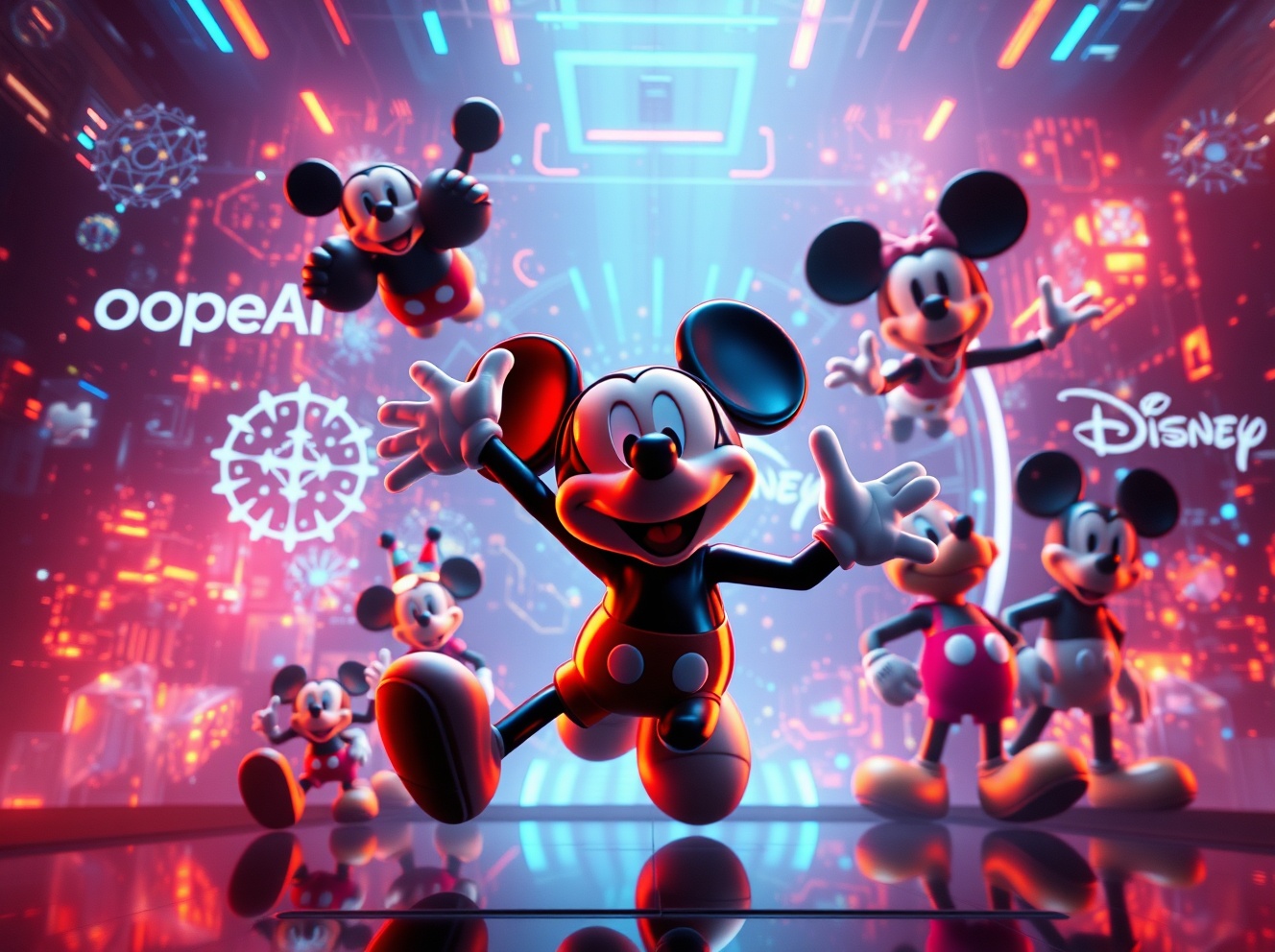 Credits: cryptorank.io
The proposed partnership between OpenAI’s Sora and Disney aimed to integrate beloved Disney characters into Sora’s video generation platform. However, negotiations encountered significant challenges, particularly concerning creative control and the technical feasibility of Sora’s outputs. Disney’s reluctance stemmed from concerns about the limitations of Sora’s technology, which ultimately hindered the collaboration. The inability to secure this partnership marked a notable setback for Sora, as it could have enhanced its appeal and differentiated it in a competitive market. OpenAI had envisioned collaborations with major entertainment brands as a vital aspect of Sora’s growth, making the breakdown of discussions with Disney particularly impactful. Disney’s official statement acknowledged the complexities involved in such partnerships, highlighting the difficulties of merging technology with entertainment. Without the Disney partnership, Sora struggled to establish a unique selling proposition, leaving it at a disadvantage in the crowded AI video generation landscape.
4. Impacts on the AI Video Generation Landscape
 Credits: leewayhertz.com
Sora’s exit has created a significant shift in the AI video generation market. Competitors like Runway and Google Veo now have more room to grow, as they can cater to the needs that Sora could not fully meet. This change indicates a broader trend away from standalone tools, as developers and companies look to create integrated solutions that fit seamlessly into existing workflows. Emerging companies are likely to focus on user-friendly interfaces and robust features, making it easier for content creators to adopt these technologies.
Moreover, the challenges faced by Sora may guide future development strategies in the sector. For example, the need for better output quality and consistency will be paramount as companies strive to meet higher expectations. This renewed emphasis could lead to more realistic expectations from consumers regarding what AI video tools can achieve. As the market adapts, there may also be a stronger push for collaboration between tech companies and content creators, ensuring that the tools developed genuinely address the needs of the users.
Investments in viable AI video solutions may increase as companies learn from Sora’s operational challenges. Competitors are likely to analyze Sora’s mistakes and leverage those insights to enhance their offerings. Overall, the landscape will evolve toward tools that not only generate video content but also integrate smoothly into the creative processes of users.
5. Lessons Learned
The discontinuation of Sora serves as a valuable lesson for future AI video tools. First, prioritizing user control over video outputs is crucial. Users want to tailor their content, ensuring it aligns with their vision and expectations. Additionally, maintaining consistency in quality is essential for user retention and satisfaction. If a tool produces varying results, users may quickly turn to alternatives. Integration capabilities with existing workflows will also be pivotal. Future tools must fit seamlessly into the processes professionals already use, enhancing productivity rather than disrupting it.
Moreover, developing sustainable economic models is necessary for the long-term viability of AI video products. As computational costs decrease, there is potential for growth in this market, but without a solid economic foundation, tools may struggle to survive. Actively seeking user feedback is another critical aspect; incorporating insights from users can lead to better product iterations and improved satisfaction.
Thorough market research before launching new products is essential to understand user needs and existing competition. Addressing technical limitations upfront can prevent user disappointment, as many users will be discouraged by tools that do not meet their expectations. Collaboration with content creators should also be a focus for future developments, ensuring that products are designed with the end-user in mind. Lastly, maintaining flexibility in product offerings will help adapt to the ever-changing needs of users, while continued innovation will be necessary to stay competitive in the evolving landscape.
- Future AI video tools should prioritize user control over video outputs.
- Consistency in quality is essential for user retention and satisfaction.
- Integration capabilities with existing workflows are crucial for success.
- Sustainable economic models must be developed to support long-term viability.
- User feedback should be actively sought and incorporated into future product iterations.
- The importance of thorough market research before launching new products is evident.
- Technical limitations must be addressed upfront to avoid user disappointment.
- Collaboration with content creators should be a focus for future developments.
- Flexibility in product offerings may help adapt to changing user needs.
- Continued innovation will be necessary to stay competitive in the evolving landscape.
6. Future Developments in AI Video Tools
The future of AI video tools is set to undergo significant changes. One major trend is the rise of hybrid models that blend AI capabilities with human creativity. This approach can enhance the overall quality of video production, allowing for more nuanced storytelling. As AI technology advances, users can expect improvements in video quality and user experiences, making tools more appealing to a wider audience.
Companies are likely to explore subscription models as a way to create sustainable revenue streams. This could mean more accessible pricing for users while ensuring that developers can maintain and improve their offerings. Additionally, the integration of these tools with social media platforms can draw in users looking to create engaging content easily.
The shift towards remote work has highlighted the need for collaborative video creation tools. As more people work from home, the demand for solutions that allow team collaboration will only grow. Future AI video tools may focus on user-friendly features to attract non-professionals, making video creation accessible to everyone.
Furthermore, the role of AI in video editing and production is expected to expand, shaping new workflows that streamline the creative process. Educational tools could emerge to help users get the most out of AI-generated video content, making it easier for individuals to learn and adapt.
New partnerships between technology and entertainment industries could foster innovative developments, leading to the creation of versatile tools that cater to diverse user needs. Overall, the landscape will likely prioritize tools that not only enhance creativity but also integrate seamlessly into existing workflows.
Frequently Asked Questions
What will happen to users who currently rely on Sora video?
Users will need to find alternative tools or platforms for video needs after Sora is retired.
Will there be a new tool introduced after Sora is retired?
It’s unclear if OpenAI will release a new tool specifically to replace Sora, but they might have other projects in development.
How will the retirement of Sora affect existing content created with it?
Existing content should remain accessible, but users may face challenges in editing or updating it without Sora.
Can users still seek support for Sora after its retirement?
Support for Sora might be limited after retirement, so it’s wise to check for available resources before then.
What alternatives to Sora might be available after 2025?
There are various other video editing and creation tools on the market that users can explore as alternatives.
TL;DR OpenAI will retire the Sora video platform on March 24, 2026, just six months after its launch due to high operational costs and a strategic shift towards enterprise products. The failed partnership with Disney highlighted creative control issues. Sora’s discontinuation may lead to opportunities for competitors, emphasizing the importance of controllability, integration into workflows, and economic viability for future AI video tools.
Comments are closed